Pharmacist support 24/7

Targeting Oncogenic Metabolism New Inhibitors for Glutaminolysis in 2026

Author: Dr. James Nakamura

By June 13, 2026, research into cellular metabolomics has identified novel small-molecule inhibitors that selectively target glutaminolysis in aggressive cancers. Cancer cells exhibit a heightened demand for nutrients, often relying on glutamine to fuel their rapid proliferation and survival. Sparing normal cells while blocking the metabolic pipelines of tumors represents a major paradigm shift in precision oncology.

At Critical Kare Pharma, we are tracking these metabolic breakthroughs to coordinate our distribution pathways. By targeting the unique metabolic dependencies of tumors, we support clinical teams in delivering next-generation, patient-specific therapeutics.
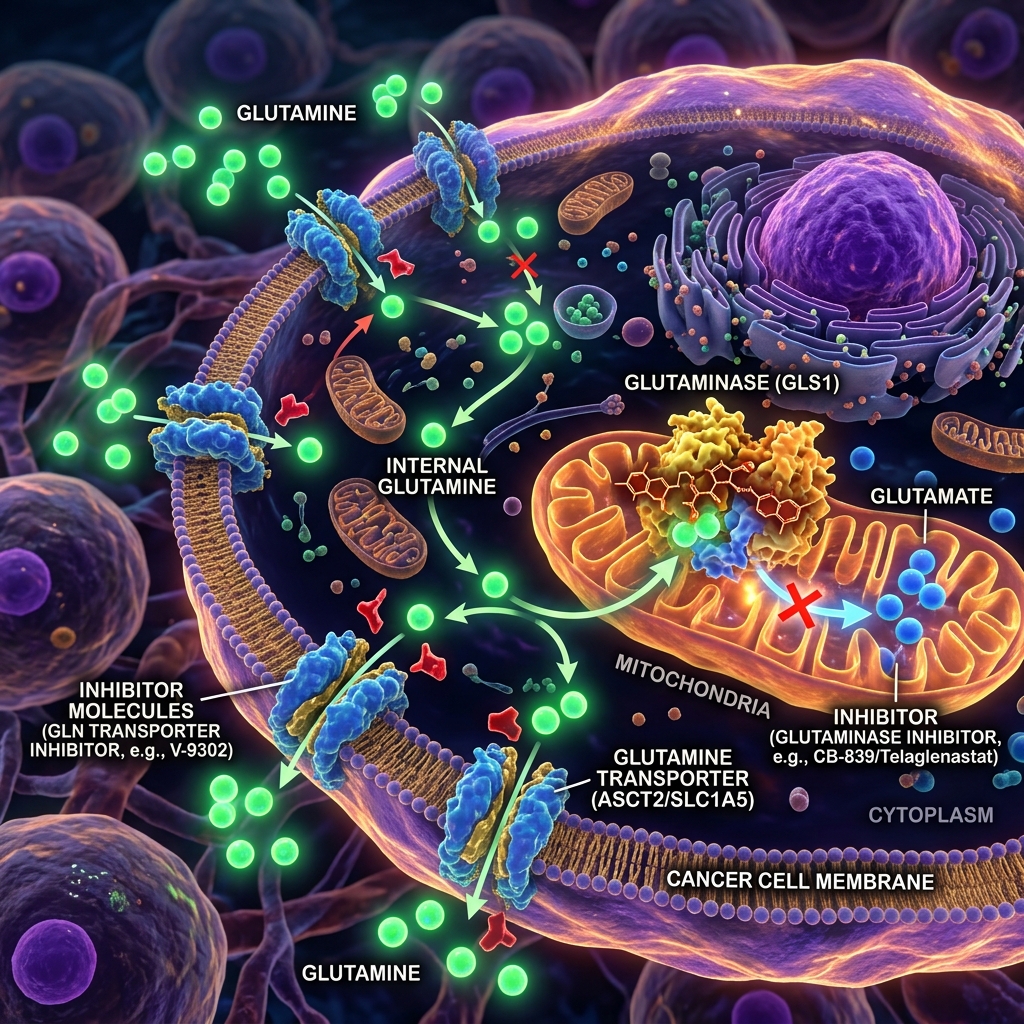
Futuristic medical visualization of cancer cell metabolism, showing inhibitors blocking glutamine transporters and enzymes like glutaminase

Key Metabolic Insights in 2026

  • Glutaminase (GLS1) Inhibition: Novel 2026 inhibitors bind selectively to the GLS1 enzyme, stopping the conversion of glutamine to glutamate and starving the tumor's TCA cycle.
  • Transporter Blockade: Advanced compounds target ASCT2 transporters, preventing glutamine from crossing the cell membrane in triple-negative breast cancer and glioblastoma.
  • Synergistic Combinations: Combining metabolic inhibitors with standard anti-angiogenic agents like Avastin has shown enhanced tumor regression in clinical models.

Decoupling tumor growth from its nutrient supply is a powerful therapeutic avenue. Interfering with the specialized metabolic pathways of cancer cells provides a highly targeted approach that avoids the systemic side effects of conventional chemotherapies. Critical Kare Pharma is proud to be your trusted logistics partner in oncology care.

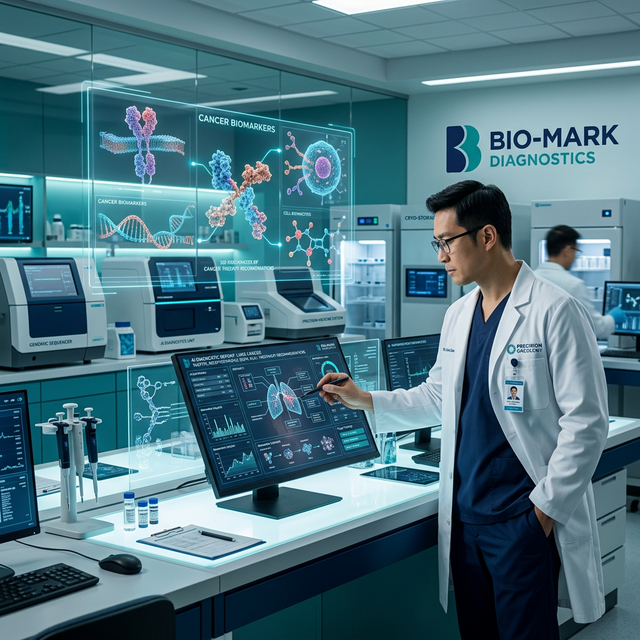
AI Cancer Diagnostics

Targeting Oncogenic Metabolism New Inhibitors for Glutaminolysis in 2026

D
Dr. James Nakamura
June 13, 2026
Targeting Oncogenic Metabolism New Inhibitors for Glutaminolysis in 2026
Critical Kare

At a glance

Evidence-informed overview from Critical Kare Pharma. Key themes in this article:

  • Clinically reviewed framing
  • Safety & protocol awareness
  • Patient-relevant takeaways

Prefer to chat on WhatsApp?

Message our pharmacy team directly about this treatment — we reply with product details, sourcing, and next steps.

Chat on WhatsApp

By June 13, 2026, research into cellular metabolomics has identified novel small-molecule inhibitors that selectively target glutaminolysis in aggressive cancers. Cancer cells exhibit a heightened demand for nutrients, often relying on glutamine to fuel their rapid proliferation and survival. Sparing normal cells while blocking the metabolic pipelines of tumors represents a major paradigm shift in precision oncology.

At Critical Kare Pharma, we are tracking these metabolic breakthroughs to coordinate our distribution pathways. By targeting the unique metabolic dependencies of tumors, we support clinical teams in delivering next-generation, patient-specific therapeutics.

Futuristic medical visualization of cancer cell metabolism, showing inhibitors blocking glutamine transporters and enzymes like glutaminase

Key Metabolic Insights in 2026

  • Glutaminase (GLS1) Inhibition: Novel 2026 inhibitors bind selectively to the GLS1 enzyme, stopping the conversion of glutamine to glutamate and starving the tumor's TCA cycle.
  • Transporter Blockade: Advanced compounds target ASCT2 transporters, preventing glutamine from crossing the cell membrane in triple-negative breast cancer and glioblastoma.
  • Synergistic Combinations: Combining metabolic inhibitors with standard anti-angiogenic agents like Avastin has shown enhanced tumor regression in clinical models.

Decoupling tumor growth from its nutrient supply is a powerful therapeutic avenue. Interfering with the specialized metabolic pathways of cancer cells provides a highly targeted approach that avoids the systemic side effects of conventional chemotherapies. Critical Kare Pharma is proud to be your trusted logistics partner in oncology care.


D

Dr. James Nakamura

Dr. James Nakamura is a computational oncologist and AI researcher at the forefront of developing machine learning algorithms for cancer diagnostics, precision medicine, and digital pathology.

Continue your care journey

This article is for general education. For medicine availability, prescriptions, and orders, use our catalog and pharmacy team.

Chat on WhatsAppBrowse catalogTreatmentsContact pharmacistsUpload prescription

Related Articles

AI Driven Oncology Dosage Personalization A New Safety Benchmark

AI Cancer Diagnostics

AI Driven Oncology Dosage Personalization A New Safety Benchmark

Read Article

Found this helpful?