Pharmacist support 24/7

AI Driven Oncology Dosage Personalization A New Safety Benchmark

Author: Dr. James Nakamura

On June 2, 2026, AI-driven dosage personalization suites have established a new benchmark for oncology patient safety. Instead of relying on traditional body-surface-area (BSA) formulas, smart algorithms synthesize metabolic profiling, organ function metrics, and genetic markers to calculate optimal chemotherapy and targeted therapy dosages.

At Critical Kare Pharma, we are championing this digital evolution. By supplying precision-formulated medications tailored to AI-driven insights, we help minimize toxic drug events while maximizing clinical efficacy.

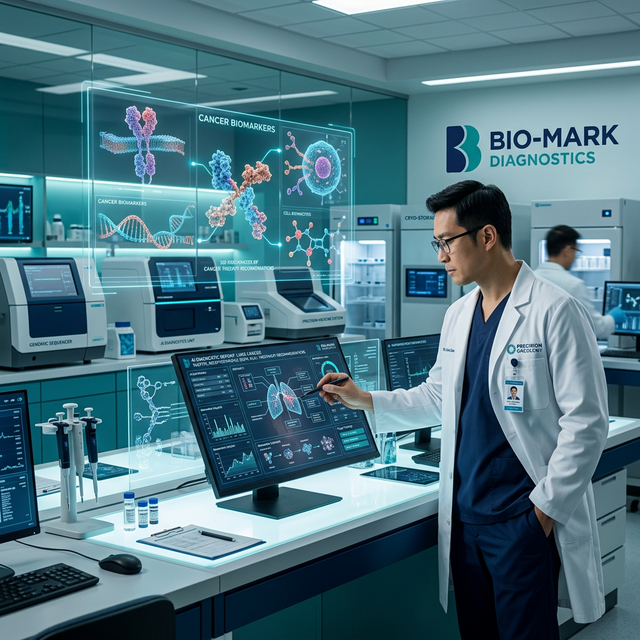
Futuristic medical workstation displaying AI personalized oncology dosage dashboard

Why Personalizing Dosage Matters

  • Overcoming BSA Limitations: Traditional dosing based on height and weight fails to account for individual drug clearance rates, liver enzyme activity, and genetic polymorphisms.
  • Toxicity Prevention: AI models analyze dynamic patient parameters to adjust dosages in real-time, preventing severe myelosuppression and neuropathy before they occur.
  • Constant Efficacy: Ensuring drug concentration remains within the therapeutic window prevents tumor under-treatment, improving overall survival statistics.

Digital intelligence and custom medicine are saving lives. Replacing outdated clinical formulas with patient-specific metabolic modeling is the future of safe oncology care. Critical Kare Pharma is proud to connect clinics with these next-generation specialty medications.
AI Cancer Diagnostics

AI Driven Oncology Dosage Personalization A New Safety Benchmark

D
Dr. James Nakamura
June 2, 2026
AI Driven Oncology Dosage Personalization A New Safety Benchmark
Critical Kare

At a glance

Evidence-informed overview from Critical Kare Pharma. Key themes in this article:

  • Clinically reviewed framing
  • Safety & protocol awareness
  • Patient-relevant takeaways

Prefer to chat on WhatsApp?

Message our pharmacy team directly about this treatment — we reply with product details, sourcing, and next steps.

Chat on WhatsApp

On June 2, 2026, AI-driven dosage personalization suites have established a new benchmark for oncology patient safety. Instead of relying on traditional body-surface-area (BSA) formulas, smart algorithms synthesize metabolic profiling, organ function metrics, and genetic markers to calculate optimal chemotherapy and targeted therapy dosages.

At Critical Kare Pharma, we are championing this digital evolution. By supplying precision-formulated medications tailored to AI-driven insights, we help minimize toxic drug events while maximizing clinical efficacy.

Futuristic medical workstation displaying AI personalized oncology dosage dashboard

Why Personalizing Dosage Matters

  • Overcoming BSA Limitations: Traditional dosing based on height and weight fails to account for individual drug clearance rates, liver enzyme activity, and genetic polymorphisms.
  • Toxicity Prevention: AI models analyze dynamic patient parameters to adjust dosages in real-time, preventing severe myelosuppression and neuropathy before they occur.
  • Constant Efficacy: Ensuring drug concentration remains within the therapeutic window prevents tumor under-treatment, improving overall survival statistics.

Digital intelligence and custom medicine are saving lives. Replacing outdated clinical formulas with patient-specific metabolic modeling is the future of safe oncology care. Critical Kare Pharma is proud to connect clinics with these next-generation specialty medications.



D

Dr. James Nakamura

Dr. James Nakamura is a computational oncologist and AI researcher at the forefront of developing machine learning algorithms for cancer diagnostics, precision medicine, and digital pathology.

Continue your care journey

This article is for general education. For medicine availability, prescriptions, and orders, use our catalog and pharmacy team.

Chat on WhatsAppBrowse catalogTreatmentsContact pharmacistsUpload prescription

Related Articles

Targeting Oncogenic Metabolism New Inhibitors for Glutaminolysis in 2026

AI Cancer Diagnostics

Targeting Oncogenic Metabolism New Inhibitors for Glutaminolysis in 2026

Read Article

Found this helpful?