Digital Health And Wearable Sensors In Modern Cancer Care Monitoring 2026
Author: Critical Kare PharmaRemote Patient Monitoring & Digital Health Desk
Between clinical visits, oncology patients often face days or weeks with limited medical oversight—a critical gap where insidious complications like neutropenic sepsis, cardiac arrhythmias, or dehydration can silently escalate.
In 2026, the convergence of medical-grade wearable biosensors, continuous temperature patches, and Remote Patient Monitoring (RPM) platforms is bridging this divide, allowing cancer care teams to detect adverse events hours before patients even feel symptomatic.
Through Critical Kare Pharma, digital telemetry tools and remote care adherence platforms are integrated to maximize treatment safety worldwide.
Key Wearable Technologies Transforming Patient Safety
- Continuous Temperature Patches: Ultra-thin biosensor patches worn on the chest transmit skin temperature every 2 minutes to a smartphone app. In neutropenic patients, algorithms identify the earliest micro-spikes in body temperature hours before a full-blown febrile crisis, prompting preemptive antibiotic administration.
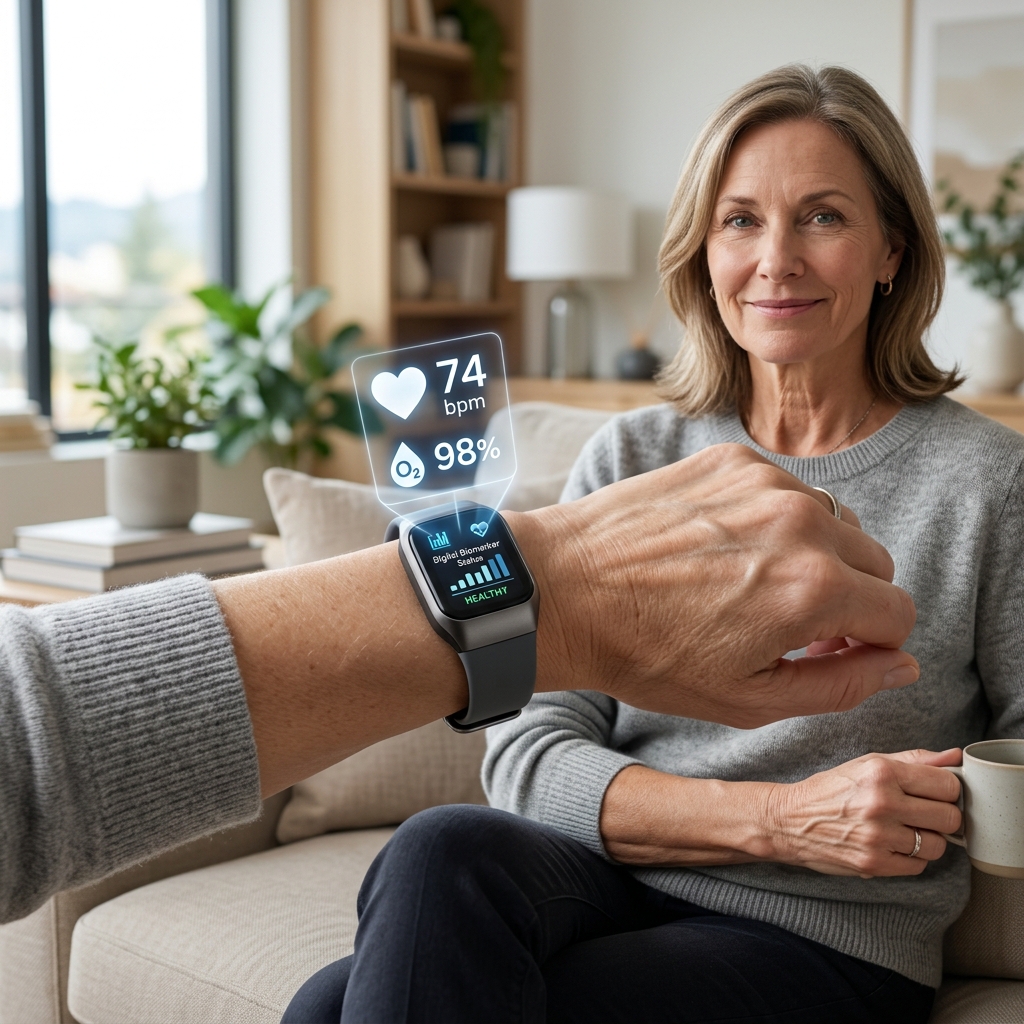
- Continuous Pulse Oximetry & Heart Rate: Smart wearables continuously monitor resting heart rate and blood oxygen saturation (SpO2), alerting clinicians to early signs of drug-induced pneumonitis, interstitial lung disease (ILD), or pulmonary embolism.
- Digital Patient-Reported Outcomes (ePROs): Daily 60-second smartphone check-ins tracking nausea, pain, and fatigue scores. Landmark clinical trials have proved that routine ePRO monitoring directly improves overall survival by catching toxicities before they require emergency hospitalization.
Protecting Patient Data Privacy
Medical-grade wearable monitoring systems utilize end-to-end HIPAA and GDPR-compliant cryptographic encryption, ensuring vital telemetry data is shared securely between the patient's mobile device and hospital electronic medical records.