Liquid Biopsy and ctDNA Tracking Post Surgery Minimizing Adjuvant Chemotherapy
Author: Dr. Priya Sharma
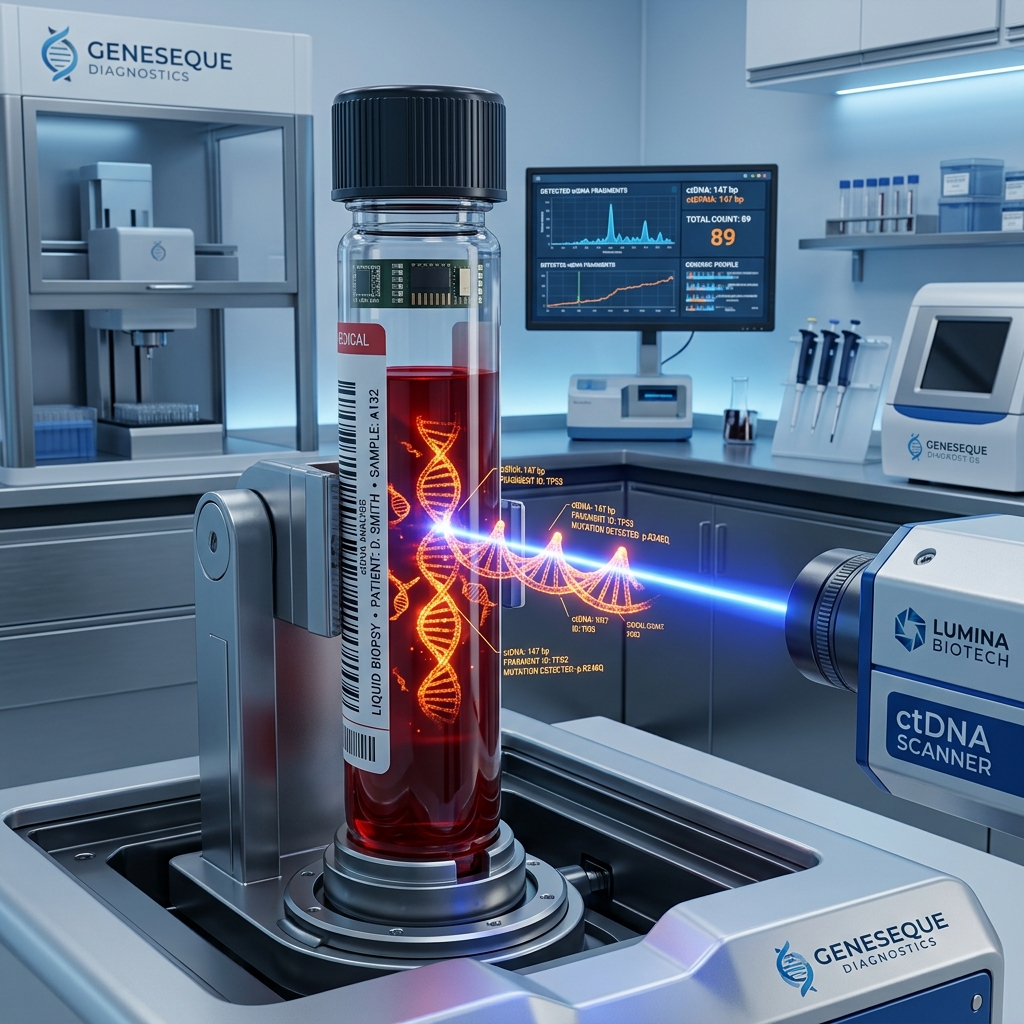
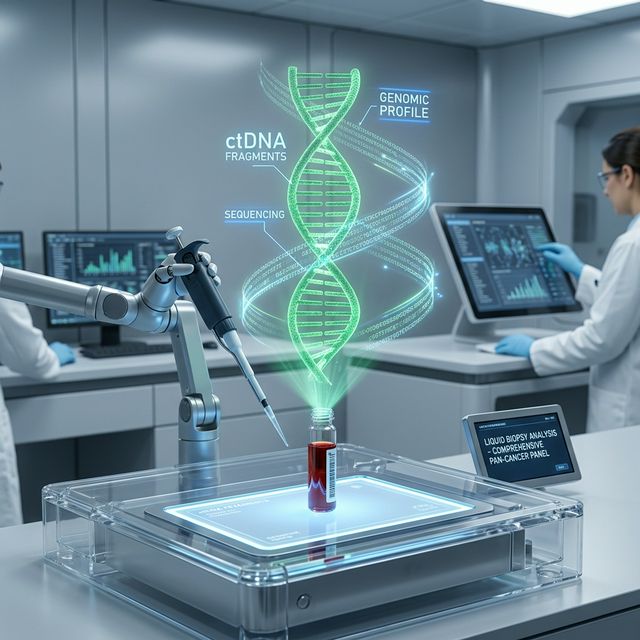
On June 4, 2026, clinical practice guidelines have updated to include circulating tumor DNA (ctDNA) tracking as a standard post-operative assessment for solid tumors. Tracking ctDNA allows oncologists to detect minimal residual disease (MRD) long before it shows up on physical imaging, helping determine if adjuvant chemotherapy is actually necessary.
At Critical Kare Pharma, we support these non-invasive diagnostic strategies. By matching chemotherapy deployment to biological evidence of disease, we prevent unnecessary patient exposure to toxic drug side effects.

How ctDNA Assays Optimize Treatment
- Molecular Residual Disease Detection: Measuring ctDNA fragments in the blood post-surgery identifies micro-metastatic disease that CT or MRI scans miss, indicating a high risk of relapse.
- De-escalating Therapy Safely: Patients with negative ctDNA markers post-resection can safely avoid chemotherapy, avoiding systemic toxicity without compromising long-term survival.
- Monitoring Resistance: Continuous blood draws trace emerging mutations, helping clinicians swap targeted therapies preemptively as the tumor evolves.
Real-time genomic tracking is transforming cancer recovery. Liquid biopsy shifts oncology from empirical treatment to adaptive, evidence-based care. Critical Kare Pharma remains dedicated to providing the specialty therapies needed for these custom care pathways.