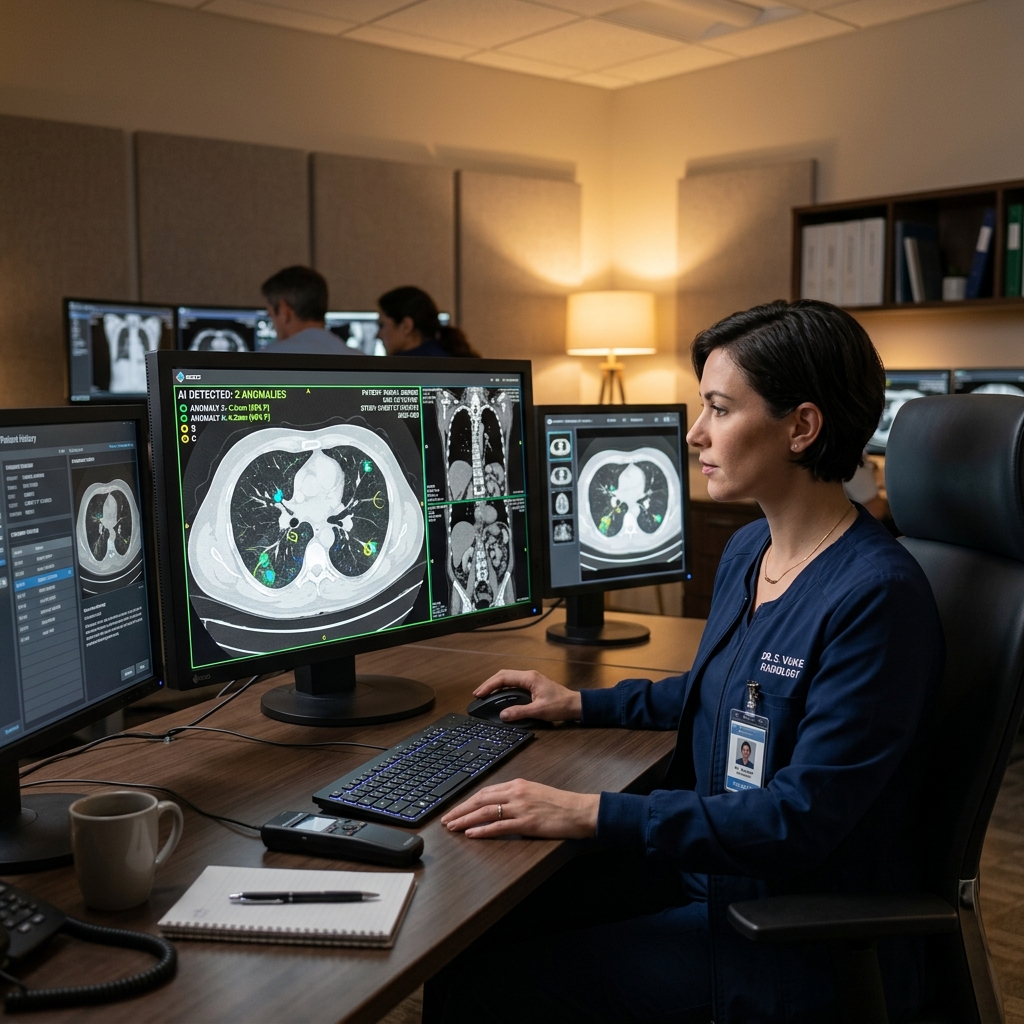
Spatial Biology mapping cellular neighborhoods for custom immunotherapy
Author: Dr. Priya Sharma
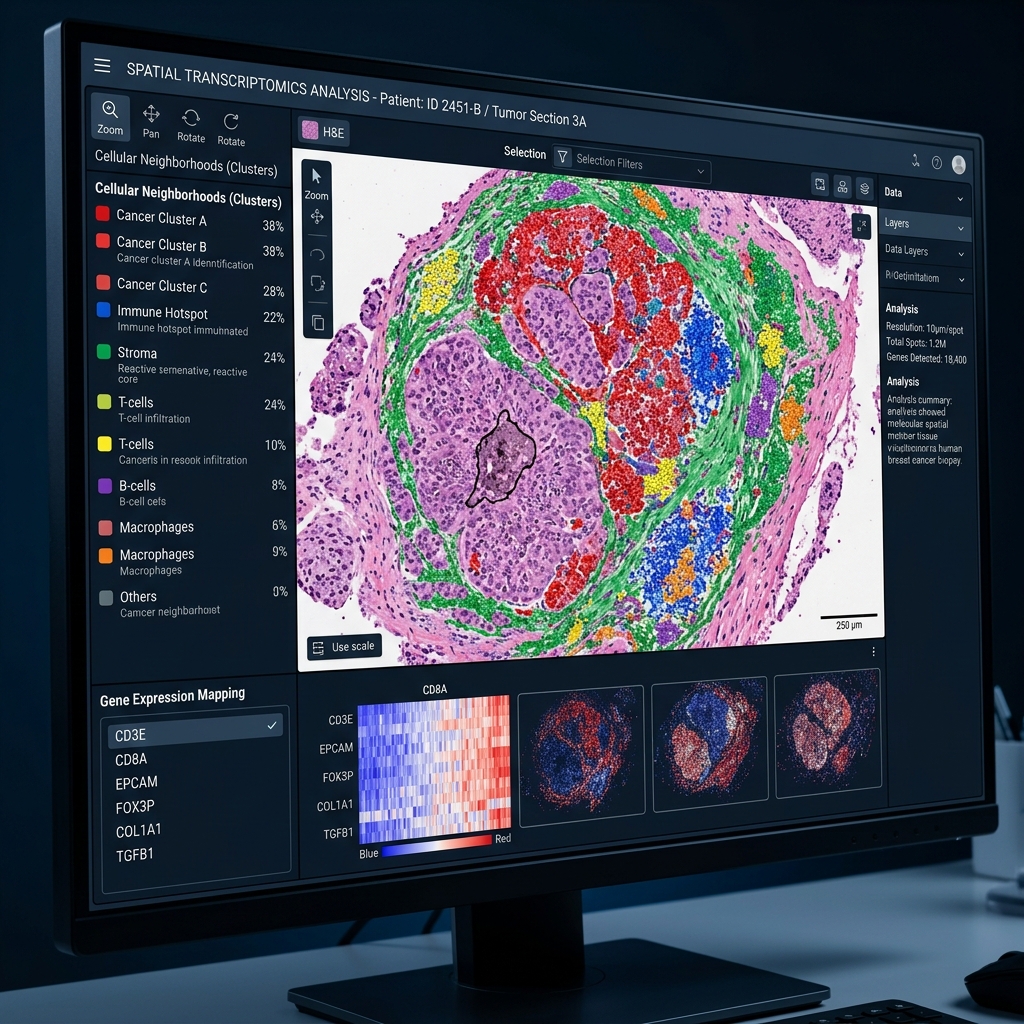
On June 10, 2026, the clinical application of Spatial Biology has established a new benchmark for planning personalized immunotherapy. By mapping the exact cellular neighborhoods within a tumor section, oncologists can visualize where immune cells are being physically excluded, allowing for highly customized treatment planning.
At Critical Kare Pharma, we are championing this diagnostic evolution. By supporting the clinical distribution of targeted agents guided by spatial transcriptomics, we help minimize toxic drug events while maximizing efficacy.
How Spatial Biology Guides Treatment
- Mapping Immune Exclusions: Visualizing the tumor stroma allows clinicians to identify "cold" regions where T-cells cannot penetrate, indicating a need for stromal-targeting combination therapies.
- Single-Cell Resolution: Analyzing gene expression at single-cell resolution identifies microscale variations within the same tumor, predicting which regions are likely to develop drug resistance.
- Verifying Receptor Docking: Spatial maps verify if targeted biologics are successfully reaching and binding to their molecular targets inside the tumor microenvironment.
Personalized medicine requires direct, biological verification. The integration of spatial transcriptomics into the diagnostic workflow represents a major leap forward, ensuring that the right patient receives the right drug at the correct dose. Critical Kare Pharma is proud to supply the specialized oncology portfolio required to execute these precision protocols.